
Locating People and Items in Hospitals Using RFID
Finding people and equipment quickly in acute care hospitals saves lives. RFID technology makes it possible — and it’s now accessible for New Zealand healthcare.

Synergic Technologies
Zebra Certified NZ Partner
What Hospital Leaders Want
A Zebra Global Healthcare Vision Study surveying 500 hospital leaders identified five technology priorities. RFID addresses all of them.
Business cases for hospital RFID typically demonstrate return on investment measured in months, not years.
Hospital Use Cases
RFID automates any workflow dependent on presence, location, and identification.
People
- Locating clinicians and patients rapidly
- Optimising utilisation and reducing wait times
- Alerting on containment or quarantine breaches
- Managing clinician fatigue
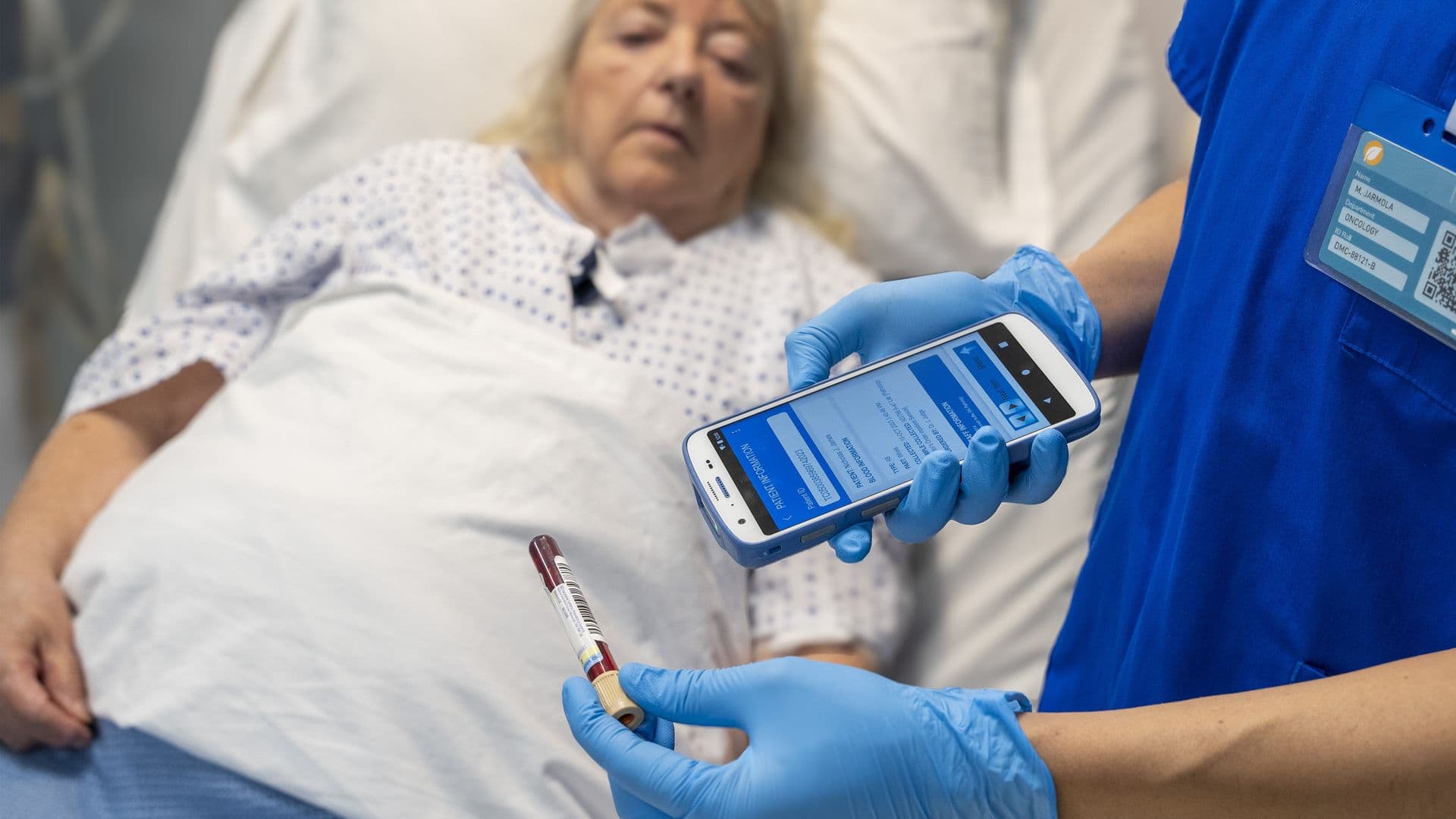
- Patient identification at point of care
Equipment & Devices
- Emergency equipment location
- Locating wheelchairs, IV pumps, and similar assets
- Loss prevention (theft, accidental disposal)
- Resource planning (beds, linen)
- Lifecycle management and maintenance scheduling
- Extracorporeal device processing — reduced from one hour to one minute with 100% accuracy
- Sterilised equipment status tracking and operational planning
Inventory & Supplies
- Rapid stocktakes replacing manual counts
- Planning enabled by reliable location and utilisation data
- Inventory reduction through better visibility
- Enhanced controls over restricted drugs
- Supply planning optimisation
Laboratory & Records
- Sample service level and exception management
- Identification accuracy at every handoff
- Workflow tracking and escalation management
- Compliance documentation automation
- Foundation for AI-based clinical decision support
During COVID-19, hospitals deployed RFID for proximity monitoring and sanitisation station utilisation tracking — demonstrating how quickly the technology adapts to new requirements.
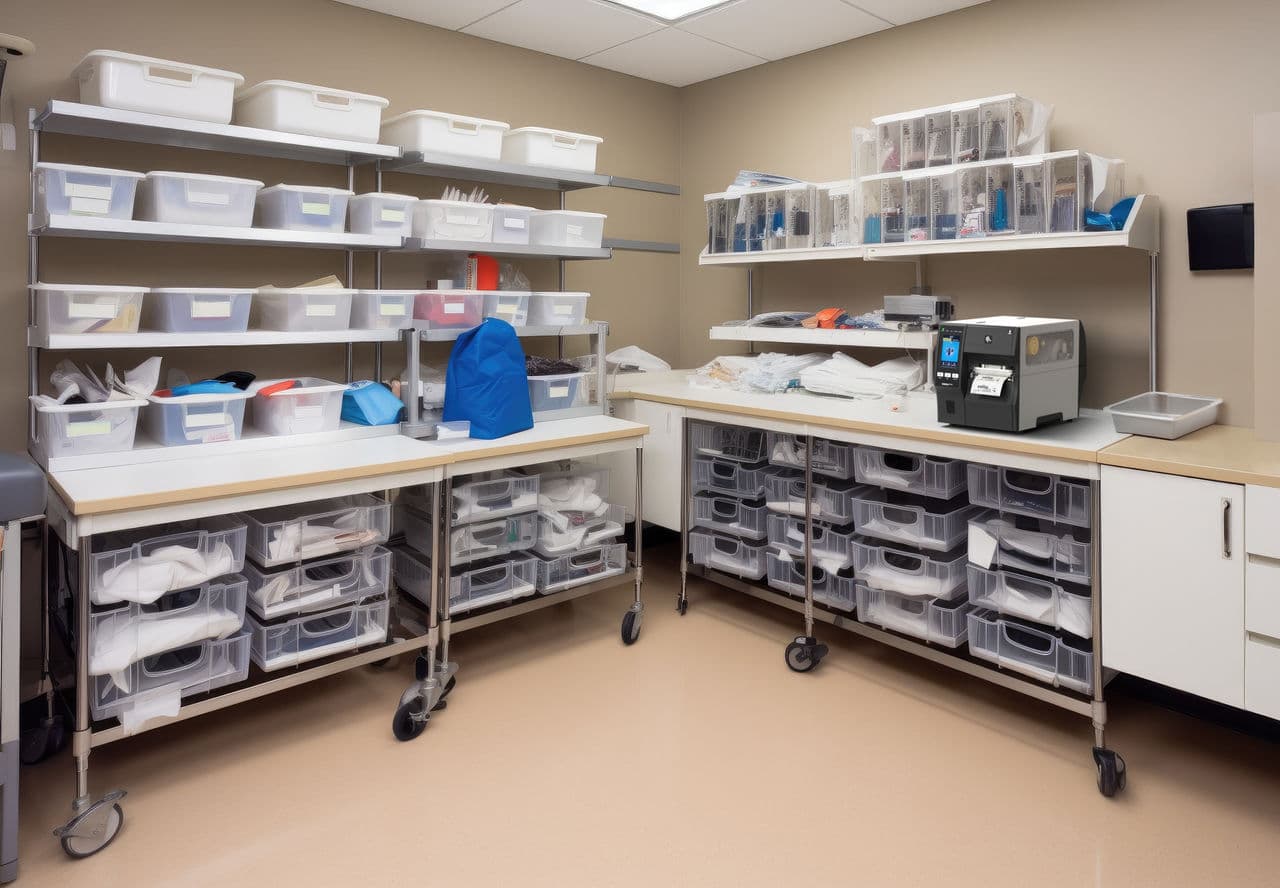
Hospital supply room with RFID-enabled inventory management — Zebra Technologies
The Technology Foundation
Hospital RFID deployments use the same building blocks as any RFID implementation: a rules engine (Zebra MotionWorks Enterprise), passive RFID for inventory and equipment tracking, and active BLE tags for real-time people and high-value asset location.
The key difference in healthcare is the diversity of use cases within a single facility. A hospital might track surgical instruments with passive tags, locate wheelchairs with active tags, and monitor specimen movement through the lab — all through the same MWE platform.
Synergic Technologies is Zebra’s certified New Zealand partner, bringing the specialised RFID engineering skills that healthcare environments demand.
Frequently Asked Questions
Which NZ hospitals are using RFID?
What’s the ROI for hospital RFID?
How does RFID work with existing hospital IT systems?
Is RFID safe for use near medical equipment and patients?
Explore RFID for Healthcare
See the full range of RFID solutions we deliver — from hospital asset tracking to warehouse inventory management.