
Why Inventory Optimisation Is the Highest-ROI Investment in Your Supply Chain
After 200+ supply chain reviews across New Zealand, the pattern is unmistakable: inventory is where the biggest gains hide. Here’s the evidence.


Dave Christie & Noël Thomson
Former NZTE Supply Chain Advisors
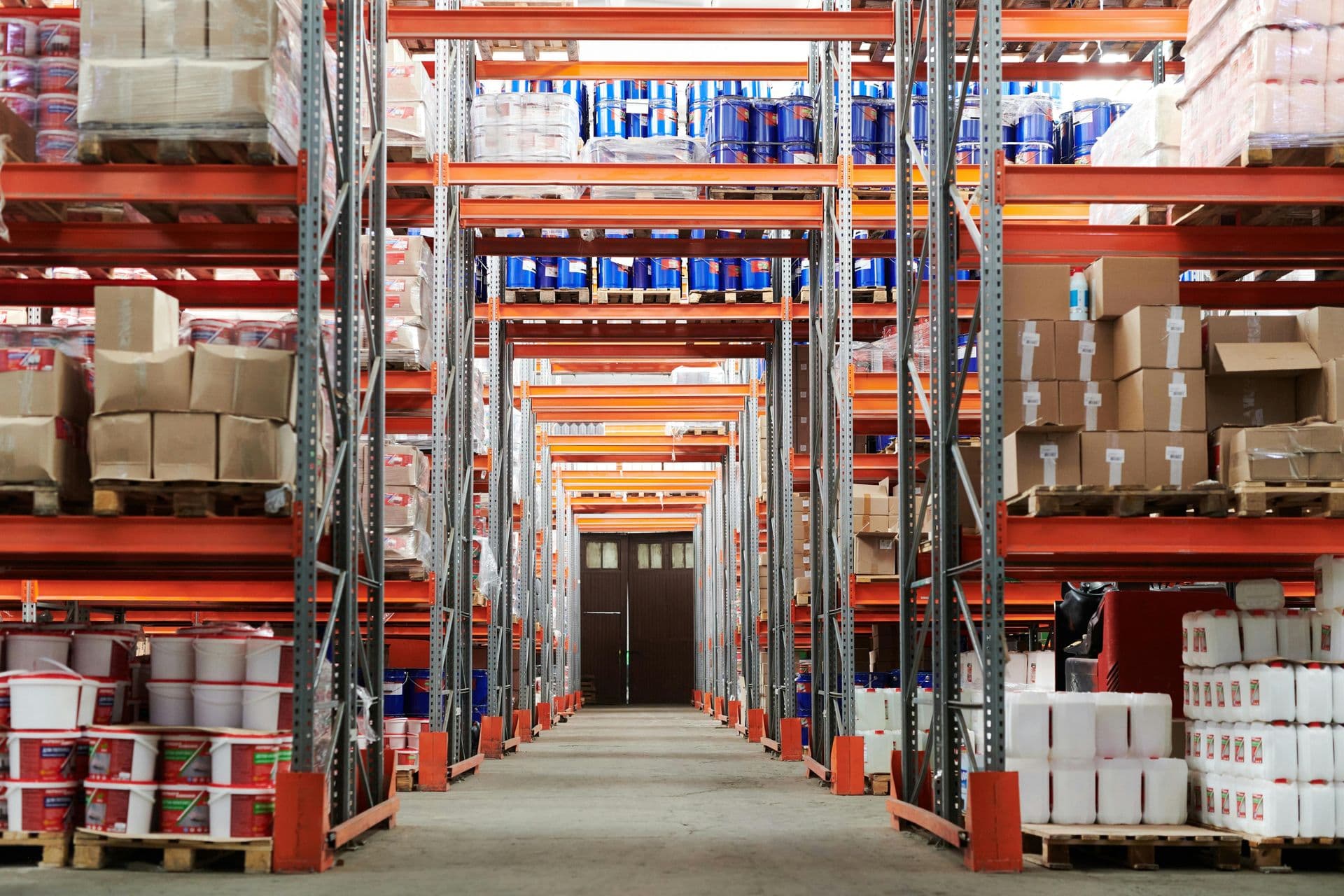
Results from our inventory optimisation engagements
80%
Reduction in stockouts
27%
Reduction in inventory levels
17%
Sales growth
43%
Reduction in operating costs
The New Zealand Problem
Between us, we’ve conducted over 200 supply chain reviews across New Zealand businesses. The same pattern shows up almost every time: inventory is where the biggest gains are hiding — and where the most money is being wasted.
New Zealand has a unique set of inventory challenges that most global playbooks don’t account for. We’re 12,000 km from most suppliers. Lead times are measured in weeks, not days. Our domestic market is small, which means smaller batch sizes and less room for error. Seasonal demand swings — particularly in agriculture, FMCG, and primary industry — amplify every planning mistake.
Most NZ businesses we review are carrying 20–40% more inventory than they need. That’s not a guess — it’s a consistent finding across sectors, from food and beverage to construction supplies to healthcare consumables.
How We Do It
Six areas where our approach delivers measurable results.
01.Demand Forecasting That Actually Works
Most NZ businesses forecast using spreadsheets and gut feel. It shows. Our engagements consistently find forecast accuracy sitting 15–25% below where it should be — a gap that cascades into every inventory decision downstream.
Result
Leading supply chain research, including Aberdeen Group findings reported by NZTE, shows that organisations with mature S&OP processes achieve 18% higher forecast accuracy and 37% better cash-to-cash cycle times.
Source: Aberdeen Group Research (2014), reported by NZTE
02.Right-Sizing Stock Levels
Overstocking ties up cash. Understocking loses customers. The balance point is different for every business — and in New Zealand, it’s harder to find. We’re 12,000 km from most suppliers, lead times are long, and small batch sizes mean every unit counts. Our approach identifies exactly where your stock levels are misaligned with actual demand, then systematically corrects them.
Result
Across our NZ engagements, we’ve delivered a 27% reduction in inventory levels while simultaneously achieving 17% sales growth. Less stock, more sales — that’s not a trade-off, it’s better planning.
Source: Synergic Technologies NZ client engagements
03.Eliminating Stockouts
A stockout isn’t just a missed sale — it’s a broken promise. In a market as small as New Zealand, your customers don’t have infinite alternatives, but they have long memories. We use demand-sensing techniques and safety stock optimisation to ensure the right products are in the right place at the right time.
Result
Our NZ engagements have achieved an 80% reduction in stockout rates. The impact compounds: fewer emergency orders, lower freight costs, and customers who stay.
Source: Synergic Technologies NZ client engagements
04.Driving Down Operating Costs
Inventory touches everything — warehousing, insurance, handling, obsolescence, write-offs. Most businesses treat these as fixed costs. They’re not. When you optimise inventory, operating costs fall across the board because you’re carrying less, moving less, and wasting less.
Result
We’ve delivered reductions in direct operating costs of up to 43% across our engagements. The biggest wins come from reducing obsolescence and eliminating unnecessary third-party or overflow warehousing costs.
Source: Synergic Technologies NZ client engagements
05.Freeing Up Cash
In the current interest rate environment, every dollar locked in excess inventory has a real cost. Most NZ businesses we review are carrying 20–40% more stock than they need. That’s working capital that could be funding growth, paying down debt, or building resilience. Our approach systematically identifies where cash is trapped in inventory and releases it.
Result
Client engagements have achieved inventory cost reductions between 11% and 38%, directly improving cash position and reducing reliance on credit facilities.
Source: Synergic Technologies NZ client engagements
06.Managing Risk and Obsolescence
New Zealand’s distance from suppliers makes inventory risk uniquely acute. Long lead times mean you can’t recover quickly from a planning error. Seasonal demand swings in agriculture and FMCG amplify the problem. Our Stringent inventory optimisation tool continuously monitors stock relevance against market demand, flagging items trending toward obsolescence before they become write-offs.
Result
Proactive obsolescence management has prevented significant write-offs across our client base, with one engagement identifying over $1.2M in at-risk stock within the first month.
Source: Synergic Technologies NZ client engagements
The Approaches That Deliver
Two capabilities that underpin our inventory optimisation results.
Sales & Operations Planning
S&OP aligns demand forecasting, supply planning, and financial targets into a single decision-making process. When done properly, it eliminates the disconnect between what sales expects to sell and what operations plans to make or buy.
Learn about our S&OP capabilityStringent Inventory Optimisation
Stringent continuously monitors stock against actual demand, identifying items trending toward obsolescence before they become write-offs. It optimises reorder points, safety stock levels, and replenishment frequency based on real consumption patterns.
Learn about inventory optimisationFrequently Asked Questions
What size of business benefits from inventory optimisation?
How long does it take to see results?
Do we need new software?
What’s the typical ROI?
How is this different from what our ERP already does?
About the Authors

Dave Christie
Chief Commercial Officer
Former NZTE supply chain advisor. Dave has conducted over 100 supply chain reviews across New Zealand and advises Tainui Group Holdings on supply chain strategy.

Noël Thomson
Co-founder
Former NZTE supply chain advisor. Noël brings deep expertise in S&OP, warehouse automation, and ERP supply chain configuration across manufacturing and distribution.
Ready to Unlock Your Inventory ROI?
Start with a conversation. We’ll assess where you are, show you where the gains are, and build a roadmap to get there.